Category: Gold Investment

  • How to Track Live Gold Prices in India

    How to Track Live Gold Prices in India

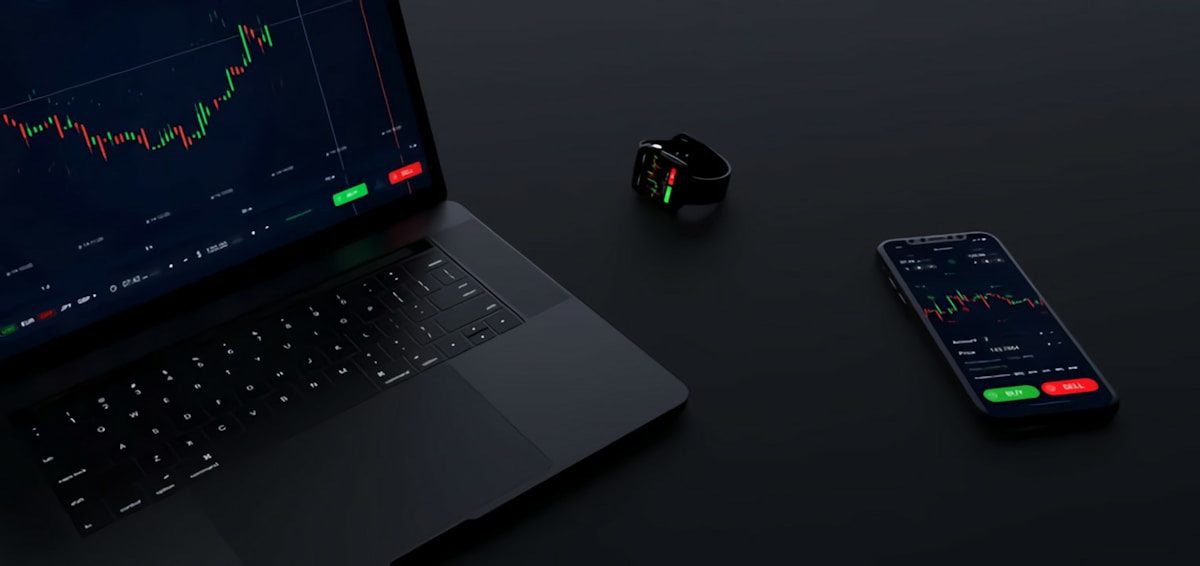
    Live gold price tracking chart on digital screen

    Whether you’re buying, selling, or simply monitoring your gold investment, tracking live gold prices is essential. Gold prices in India change multiple times a day based on international rates, the rupee-dollar exchange rate, and domestic demand. For self-employed investors looking to make informed decisions, here’s how to track gold prices accurately and in real time.

    Understanding How Gold Prices Work in India

    India doesn’t produce much gold domestically — nearly all gold is imported. The domestic gold price depends on three key factors:

    • International gold price: Quoted in US dollars per troy ounce on global markets (London, New York, Shanghai).
    • USD/INR exchange rate: Since gold is imported in dollars, a weaker rupee means higher gold prices in India.
    • Import duty and GST: The government charges import duty (currently 6%) and GST (3%), which adds to the domestic price.

    This means Indian gold prices can move differently from international prices — even if global gold is flat, a falling rupee can push domestic gold prices higher.

    Method 1: Official Sources

    IBJA (India Bullion and Jewellers Association)

    IBJA publishes the official daily gold rate that most jewellers in India follow. They announce rates for 999 (24K), 995, 916 (22K), and 750 (18K) purity gold. Check their website at ibja.co or their official app. IBJA rates are typically published twice daily — once in the morning and once after international markets update.

    MCX (Multi Commodity Exchange)

    MCX is India’s leading commodity exchange where gold futures are traded. MCX gold prices are available during trading hours (9 AM to 11:30 PM) and reflect real-time market sentiment. You can check MCX prices on mcxindia.com or through any stock broker app that offers commodity trading.

    Method 2: Investment and Trading Apps

    Several apps provide live gold price tracking with charts and alerts:

    • Bachatt: Track live 24K gold rates and invest simultaneously. Designed for India’s self-employed investors.
    • Google Finance: Search “gold price” on Google for a quick live chart.
    • Moneycontrol: Comprehensive commodity section with gold prices, charts, and news.
    • ET Markets: Economic Times app with live MCX gold rates and analysis.
    • Kite by Zerodha: If you have a Zerodha account, track MCX gold futures in real time.

    Method 3: Set Up Price Alerts

    Instead of checking prices manually, set up alerts to get notified when gold reaches your target price:

    • Most trading apps (Zerodha, Groww, Angel One) allow you to set price alerts for MCX gold.
    • Google Alerts can notify you about significant gold price movements.
    • Financial news apps like Moneycontrol and ET Markets offer push notification alerts.

    Price alerts are especially useful if you’re waiting for a dip to buy or want to sell when prices hit a certain level.

    Method 4: Check Local Jeweller Rates

    Local jeweller rates may differ from IBJA rates due to local demand-supply dynamics and the jeweller’s margin. Major jewellery chains like Tanishq, Malabar Gold, Kalyan Jewellers, and Joyalukkas publish their daily rates on their websites and apps. These rates are useful if you plan to buy physical gold jewellery.

    Key Gold Price Metrics to Track

    • 24K gold rate per gram: The benchmark for pure gold. Used for digital gold and investment gold pricing.
    • 22K gold rate per gram: Relevant for jewellery purchases, as most Indian jewellery is 22K.
    • Gold rate per 10 grams: The traditional Indian way of quoting gold prices in media.
    • MCX Gold futures: Indicates market expectations for future gold prices.
    • International spot price: The global benchmark in USD per troy ounce (1 troy ounce = 31.1 grams).

    When Do Gold Prices Change?

    Gold prices in India change throughout the day based on international market movements:

    • 9:00 AM: MCX trading opens; domestic prices start updating.
    • 1:30 PM: London markets open, often causing price movement.
    • 6:30-7:00 PM: US markets open; this is when the most significant price movements typically happen.
    • 11:30 PM: MCX trading closes for the day.

    Tips for Using Gold Price Data

    • Don’t obsess over daily prices: If you’re a long-term investor, checking weekly or monthly trends is sufficient.
    • Understand buy vs sell price: The price you see quoted is usually the buy price. The sell (bid) price is 3-5% lower for digital gold.
    • Compare sources: Different platforms may show slightly different prices. Use IBJA as the benchmark.
    • Watch global cues: US Federal Reserve decisions, geopolitical tensions, and inflation data are the biggest drivers of gold prices.

    Understanding the Buy-Sell Spread

    When tracking gold prices, be aware that the price you see quoted is typically the buy price. The sell price is always lower. This difference is called the spread and it varies by platform and product. For digital gold, the spread is typically 3-5 percent. For Gold ETFs, the spread is much smaller at 0.1-0.5 percent due to exchange trading. For physical gold at jewellers, the effective spread can be 10-20 percent when you factor in making charges lost on resale. Understanding the spread helps you calculate the true cost of your gold investment and compare different gold products more accurately.

    Track and Invest in Gold with Bachatt

    Bachatt combines live gold price tracking with instant investment capability. See the real-time 24K gold price, track price trends, and buy gold — all in one app. Built for India’s 30 crore+ self-employed professionals, Bachatt makes gold investing as simple as checking your phone.

    Download Bachatt today and stay on top of gold prices.

  • How to Store Physical Gold Safely in India

    How to Store Physical Gold Safely in India

    Safe storage of physical gold in India with locker and vault

    India is home to an estimated 25,000-30,000 tonnes of privately held gold — much of it stored in homes and bank lockers. If you own physical gold, storing it safely is critical. Theft, fire, and natural disasters can wipe out years of savings in an instant. Here’s a comprehensive guide on how to store your physical gold safely in India.

    Option 1: Bank Safe Deposit Locker

    Bank lockers are the most popular and trusted option for storing gold in India.

    How to Get a Bank Locker

    • Visit your bank branch and enquire about locker availability (there’s often a waiting list).
    • You’ll need a savings account with the bank, identity proof, and address proof.
    • Choose a locker size — small lockers (suitable for jewellery) to large lockers (for significant collections).
    • Pay the annual rent (Rs 2,000-20,000 depending on size and city) plus a refundable security deposit.

    Bank Locker Rules (RBI Guidelines 2023)

    The RBI has strengthened bank locker rules to protect customers:

    • Banks are now liable for loss due to theft, fire, or building collapse — up to 100 times the annual rent.
    • Banks cannot open your locker without your consent (except in case of non-payment of rent for 3+ years).
    • You must sign a revised locker agreement under the new RBI guidelines.
    • Banks cannot force you to buy other products (insurance, FD) as a condition for locker allotment.

    Limitations of Bank Lockers

    Despite being relatively safe, bank lockers have drawbacks. Access is limited to bank working hours (typically 10 AM – 2 PM on weekdays). You can’t access your gold on holidays, Sundays, or during emergencies outside banking hours. Also, the contents of bank lockers are not insured by the bank by default — you need separate insurance.

    Option 2: Home Safe or Vault

    If you prefer keeping gold at home for quick access, a high-quality home safe is essential.

    Choosing a Home Safe

    • Fire-resistant: Look for safes rated for at least 1 hour of fire resistance (UL-rated).
    • Burglar-resistant: Choose safes with thick steel walls, anti-drill plates, and re-locking mechanisms.
    • Weight: A heavier safe (50+ kg) is harder to steal. Bolt it to the floor or wall for extra security.
    • Lock type: Digital locks with key backup are most convenient. Avoid cheap combination locks.

    Good home safes cost Rs 10,000-50,000 depending on size and security features. Godrej, Ozone, and Yale are reputable brands available in India.

    Home Storage Tips

    • Keep the safe in a discreet location — not in the master bedroom (the first place thieves check).
    • Don’t tell people about your gold holdings or where you store them.
    • Install a home security system with cameras and alarms.
    • Maintain an inventory of all items with photographs and purchase invoices.

    Option 3: Private Vault Services

    Private vault companies are emerging in India’s metro cities, offering high-security storage with 24/7 access. These vaults use biometric access, CCTV surveillance, and insurance coverage. While more expensive than bank lockers (Rs 5,000-30,000 per year), they offer better accessibility and security. Companies like Brink’s and some private security firms offer this service.

    Must-Do: Insure Your Gold

    Regardless of where you store your gold, insurance is essential. You can insure gold jewellery through:

    • Home insurance add-on: Most home insurance policies allow you to add valuable items like gold jewellery for an extra premium.
    • Standalone jewellery insurance: Some insurers offer specific policies for gold and jewellery.
    • Bank locker insurance: Separate insurance for items stored in bank lockers.

    To insure gold, you’ll need purchase invoices, valuation certificates, and photographs of each piece. The premium is typically 1-3% of the insured value per year.

    Documentation Is Key

    Maintain proper documentation for all your gold:

    • Purchase invoices with HUID numbers
    • Photographs of each piece
    • Valuation certificates from a certified jeweller
    • Insurance policy details

    Store digital copies in cloud storage (Google Drive, iCloud) so you have records even if physical papers are lost.

    Gold Storage Costs Comparison

    Here is a rough comparison of annual gold storage costs in India. Bank locker rent ranges from Rs 2,000 to Rs 20,000 per year depending on size and city. A home safe is a one-time cost of Rs 10,000 to Rs 50,000 plus home insurance premiums. Private vault services charge Rs 5,000 to Rs 30,000 per year. Jewellery insurance costs 1-3 percent of insured value annually. Digital gold storage is completely free as it is covered by the platform provider. When you add up locker rent plus insurance, physical gold storage can cost Rs 5,000 to Rs 25,000 per year, directly eating into your investment returns.

    The Best Storage? Go Digital

    The safest way to “store” gold is to not store it physically at all. Digital gold is stored in insured, military-grade vaults by providers like MMTC-PAMP and Augmont. There’s zero risk of theft, no locker rent, no insurance premiums, and you can access your gold 24/7 from your phone. For most investors, digital gold eliminates the entire storage headache.

    Store Your Gold Worry-Free with Bachatt

    Why pay for lockers and insurance when your gold can be stored for free in insured vaults? With Bachatt, your 24K digital gold is safely stored by MMTC-PAMP, fully insured and audited. No theft risk, no storage cost, no hassle. Just pure gold, securely stored and always accessible.

    Download Bachatt today and enjoy worry-free gold storage.

  • How to Buy Gold on Dhanteras: Smart Investment Tips

    How to Buy Gold on Dhanteras: Smart Investment Tips

    Gold coins and jewellery for Dhanteras festival investment

    Dhanteras is the most auspicious day for buying gold in India. Falling two days before Diwali, this festival celebrates wealth and prosperity, and millions of Indians buy gold on this day every year. But buying gold on Dhanteras doesn’t have to mean overpaying at a crowded jewellery shop. Here’s how to make smart gold purchases on Dhanteras — whether you prefer physical gold, digital gold, or gold investments.

    Why Indians Buy Gold on Dhanteras

    Dhanteras (Dhana Trayodashi) marks the beginning of the five-day Diwali festival. “Dhan” means wealth, and buying gold or silver on this day is believed to bring good fortune and prosperity for the coming year. Estimates suggest that India buys 30-40 tonnes of gold during the Dhanteras-Diwali period alone — that’s billions of rupees worth of gold in just a few days.

    Option 1: Buy Physical Gold Jewellery

    If you want to buy gold jewellery on Dhanteras, follow these smart buying tips:

    Check the BIS Hallmark

    Always buy BIS hallmarked gold with a HUID (Hallmark Unique Identification Number). This ensures you’re getting the purity you’re paying for — whether it’s 22K (916) or 18K (750). Verify the HUID on the BIS Care app.

    Compare Making Charges

    Making charges vary wildly — from 8% to 25% depending on the design complexity and the jeweller. For investment purposes, choose simple designs with lower making charges (coins and bars have zero or minimal making charges). Remember, you don’t recover making charges when selling.

    Negotiate the Price

    Don’t accept the first price quoted. Many jewellers add a premium during Dhanteras due to high demand. Check the day’s gold rate on trusted sources (MCX rate, IBJA rate) and negotiate accordingly. The per-gram rate should be close to the day’s published rate.

    Insist on a Proper Invoice

    Get a detailed invoice showing the net weight of gold, purity (karat), making charges (separately listed), GST charged (3%), and the HUID number. This invoice is essential for resale, insurance claims, and tax purposes.

    Option 2: Buy Gold Coins or Bars

    If you want gold for investment rather than wearing, gold coins and bars are the better choice. They have minimal making charges (0-3%), come in standardised weights (1g, 2g, 5g, 10g, 20g, 50g, 100g), and are easier to resell. Buy BIS-hallmarked coins from banks or authorised dealers.

    Option 3: Buy Digital Gold

    The smartest Dhanteras move? Buy digital gold. Here’s why:

    • No making charges: You pay only the gold price + 3% GST.
    • 24K purity: Always 99.99% pure — better than jewellery gold.
    • No crowds: Buy from your phone in seconds.
    • Start small: Even Rs 101 (an auspicious amount) counts.
    • No storage worry: Gold is stored in insured vaults.

    Many platforms offer special Dhanteras deals — cashback, bonus gold, or reduced spreads. Check your preferred platform for offers.

    Option 4: Invest in SGBs or Gold ETFs

    If an SGB tranche happens to be open during Dhanteras, it’s an excellent time to invest. You’ll get the auspicious feeling of buying gold while earning 2.5% annual interest. Gold ETFs can also be purchased on Dhanteras if it’s a trading day.

    Dhanteras Gold Buying Mistakes to Avoid

    • Impulse buying due to festival pressure: Don’t buy more than you planned just because it’s an auspicious day.
    • Ignoring making charges: High making charges on intricate designs eat into your investment value.
    • Not checking hallmark: Festival rush means some sellers may try to sell unhallmarked gold.
    • Buying from unknown sellers: Stick to reputed jewellers or platforms with proper credentials.
    • Borrowing to buy gold: Taking a loan to buy gold on Dhanteras defeats the purpose of wealth creation.

    Smart Dhanteras Strategy: Combine Tradition with Investment

    Here’s a balanced approach: buy a small piece of jewellery for the tradition and emotional value, and invest a larger amount in digital gold or Gold SGB for actual wealth creation. This way, you honour the festival’s spirit while making a financially sound decision.

    For example, if your Dhanteras budget is Rs 50,000:

    • Rs 15,000 on a simple gold coin or small jewellery piece (for tradition)
    • Rs 35,000 in digital gold or SGB (for investment)

    When Is Dhanteras? Planning Ahead

    Dhanteras falls on the 13th day of the dark fortnight in the Hindu month of Kartik, usually in October or November. The exact date changes every year based on the lunar calendar. Plan your Dhanteras gold budget at least a month in advance. If you are saving through a Gold SIP, consider increasing your SIP amount for the month of Dhanteras to make a larger purchase. Many investors save through the year and make a consolidated gold purchase on this auspicious day as part of their annual investment routine.

    Make This Dhanteras Count with Bachatt

    This Dhanteras, skip the queues and buy 24K digital gold on Bachatt. It’s the most convenient, cost-effective way to honour the tradition of buying gold while making a genuine investment. Buy from Re 1, get guaranteed purity, and watch your wealth grow.

    Download Bachatt today and celebrate Dhanteras the smart way.

  • How to Calculate the Right Amount of Gold for Your Portfolio

    How to Calculate the Right Amount of Gold for Your Portfolio

    Portfolio allocation calculator with gold investment planning

    How much of your savings should go into gold? Too little, and you miss the diversification benefits. Too much, and your portfolio becomes unbalanced. For India’s self-employed professionals, getting the gold allocation right is especially important because gold often serves as both an investment and an emergency reserve. Here’s how to calculate the ideal gold percentage for your portfolio.

    Why Gold Allocation Matters

    Gold behaves differently from stocks, fixed deposits, and real estate. When stock markets crash, gold often rises. When inflation erodes the value of cash, gold holds its purchasing power. This makes gold a powerful diversifier — it stabilises your portfolio during uncertain times. But gold doesn’t generate income (no dividends, no interest), so holding too much can limit your wealth growth.

    The General Rule: 5-15% in Gold

    Most financial experts globally recommend keeping 5-15% of your total investment portfolio in gold. In India, where gold has deep cultural significance and a proven track record of holding value, a slightly higher allocation of 10-20% may be appropriate. Here’s a simple framework:

    • Conservative (risk-averse): 15-20% in gold
    • Moderate (balanced): 10-15% in gold
    • Aggressive (growth-focused): 5-10% in gold

    How to Calculate Your Gold Allocation: Step by Step

    Step 1: Calculate Your Total Investment Portfolio

    Add up the value of all your investments:

    • Fixed deposits and recurring deposits
    • Mutual funds and stocks
    • PPF, EPF, and NPS
    • Real estate (investment property, not your primary home)
    • Physical gold and digital gold you already own
    • Any other investments

    For example, if your total portfolio is Rs 10,00,000 (Rs 10 lakh), and you want 10% in gold, your target gold allocation is Rs 1,00,000.

    Step 2: Assess Your Current Gold Holdings

    Calculate the current value of all gold you own:

    • Physical gold jewellery (use current market rate for the gold content — exclude making charges)
    • Digital gold
    • Gold ETFs and Gold mutual funds
    • Sovereign Gold Bonds

    Suppose your current gold holdings are worth Rs 50,000. If your target is Rs 1,00,000, you need to invest Rs 50,000 more in gold.

    Step 3: Factor In Your Income Pattern

    Self-employed individuals often have irregular income. This means your portfolio allocation should account for liquidity needs. If you rely on gold as an emergency fund, keep a portion in liquid forms (digital gold or Gold ETFs) rather than locked-up options (SGBs or physical jewellery in a locker).

    Step 4: Consider Your Age and Goals

    Your ideal gold allocation also depends on life stage:

    • 20s-30s: Keep 5-10% in gold. Focus more on equity for growth.
    • 30s-40s: Increase to 10-15% as you build stability and diversify.
    • 50s and above: 15-20% in gold is prudent for capital preservation and hedge against uncertainty.

    A Simple Formula for Self-Employed Investors

    Here’s a practical formula:

    Monthly Gold Investment = (Monthly Savings × Target Gold %)

    Example: If you save Rs 20,000/month and want 10% in gold, invest Rs 2,000/month in gold through a SIP.

    Don’t Forget Existing Physical Gold

    Many Indian families already have significant gold holdings in the form of jewellery. A typical Indian household has 200-500 grams of gold jewellery. At current prices, that’s Rs 12-30 lakh worth of gold! If you already have substantial physical gold, you may not need to invest more. Instead, consider whether your portfolio needs more diversification into other asset classes.

    Rebalancing Your Gold Allocation

    Portfolio allocation is not a one-time exercise. As gold prices rise, your gold allocation may exceed your target, and vice versa. Review your allocation annually:

    • If gold allocation exceeds your target by more than 5%, sell some gold and invest in other assets.
    • If gold allocation falls below your target, increase your gold SIP or make a lump sum purchase.

    Common Mistakes to Avoid

    • Counting jewellery as investment: If you wear it daily, it’s a personal asset, not an investment you can easily liquidate.
    • Over-investing in gold: Gold doesn’t beat equity returns over the long term. Keep it as a stabiliser, not the core.
    • Ignoring other assets: A balanced portfolio includes equity, debt, gold, and possibly real estate.
    • Not reviewing annually: Your financial situation changes — your allocation should too.

    Gold Allocation for Different Financial Goals

    Your gold allocation can also depend on specific goals. For an emergency fund, keep one to two months of expenses in liquid gold such as digital gold or Gold ETF for quick access. For a wedding, start a Gold SIP 10-15 years in advance to accumulate the required amount gradually. For retirement, SGBs are ideal due to their tax-free maturity and interest income. For wealth preservation against inflation, any form of gold works well. Align your gold investment vehicle with the time horizon and liquidity needs of each goal.

    Plan Your Gold Portfolio with Bachatt

    Bachatt helps India’s self-employed professionals build their gold allocation the right way — through systematic, small investments in 24K digital gold. Start a Gold SIP from Re 1, track your portfolio value in real-time, and stay on track with your financial goals. No complicated calculations needed — just simple, consistent saving.

    Download Bachatt today and get your gold allocation right.

  • How to Start a Gold SIP for Systematic Gold Savings

    How to Start a Gold SIP for Systematic Gold Savings

    Systematic gold savings plan with coins stacking up

    Just like a Mutual Fund SIP helps you invest regularly in the stock market, a Gold SIP helps you invest in gold systematically — a fixed amount every month, automatically. For India’s self-employed professionals with irregular income, Gold SIP is one of the smartest ways to build a gold portfolio without needing a large lump sum. Here’s how to get started.

    What Is a Gold SIP?

    A Gold SIP (Systematic Investment Plan) allows you to invest a fixed amount in gold every month (or at any chosen frequency). Each instalment buys gold at the prevailing market price, and over time, your gold holdings accumulate. This approach is also known as “rupee cost averaging” — when gold prices are high, you buy less; when prices are low, you buy more. Over time, this smooths out your average purchase cost.

    Types of Gold SIP Options in India

    1. Digital Gold SIP

    Several apps allow you to set up automatic monthly purchases of digital gold. You choose an amount (e.g., Rs 500/month), and the platform auto-debits your account and buys 24K digital gold at the live rate on the scheduled date. Platforms offering Digital Gold SIP include Bachatt, Paytm, PhonePe, and others.

    2. Gold Mutual Fund SIP

    Gold mutual funds (also called Gold Fund of Funds) invest in Gold ETFs. You can start a SIP in these funds through any mutual fund platform — Groww, Kuvera, or directly with the AMC. Minimum SIP is usually Rs 500/month. No demat account is needed, making this accessible for everyone.

    3. Gold ETF SIP

    Some stock brokers allow you to set up SIPs in Gold ETFs. This requires a demat account but gives you direct exposure to gold at lower expense ratios than Gold Fund of Funds.

    Step-by-Step: How to Start a Digital Gold SIP

    Step 1: Choose Your Platform

    Select a trusted platform that offers automatic Gold SIP functionality. Look for platforms backed by reputable gold providers (MMTC-PAMP or Augmont), with transparent pricing and easy withdrawal options.

    Step 2: Complete KYC

    Complete your KYC verification on the platform using your PAN and Aadhaar. This is a one-time process and usually takes just a few minutes.

    Step 3: Set Your SIP Amount

    Decide how much you want to invest each month. Start with an amount that’s comfortable — even Rs 100 or Rs 500 per month is a great beginning. You can always increase it later. Financial experts recommend allocating 5-15% of your monthly savings to gold.

    Step 4: Choose the SIP Date

    Select the date on which your SIP should execute each month. If you’re self-employed with variable income, choose a date when you typically have cash flow — perhaps after your usual billing cycle or payment receipt date.

    Step 5: Set Up Auto-Pay

    Link your bank account or UPI for automatic debits. Most platforms use UPI AutoPay or e-mandate for seamless monthly deductions. Once set up, the SIP runs automatically without any manual action needed.

    Step 6: Track and Review

    Monitor your gold SIP through the app. Check your accumulated gold, average purchase price, and current portfolio value. Review your SIP amount every 6-12 months and adjust based on your income and financial goals.

    Benefits of Gold SIP

    • Discipline: Automates your saving habit — money is invested before you can spend it.
    • Rupee cost averaging: Reduces the impact of gold price volatility on your overall investment.
    • Affordability: Start with as little as Rs 100/month — no need for large capital.
    • Flexibility: Pause, increase, decrease, or stop your SIP anytime without penalties.
    • No timing needed: You don’t need to watch gold prices daily or try to “buy the dip.”

    Gold SIP vs Lump Sum Gold Investment

    If you have a large amount ready to invest, a lump sum purchase makes sense when gold prices are attractive. But for most self-employed individuals, income is variable and unpredictable. A Gold SIP works better because it spreads the investment across months, reducing the risk of buying at a peak price. Studies show that SIP investing delivers comparable or better returns than lump sum over long periods.

    How Much Gold SIP Should You Start?

    A simple rule: allocate 5-15% of your monthly savings to gold. If you save Rs 10,000/month, a Gold SIP of Rs 500-1,500 is appropriate. As your income grows, increase the SIP proportionally. The goal is consistency, not the amount.

    What If You Miss a Gold SIP Instalment?

    Unlike bank EMIs, missing a Gold SIP instalment carries no penalty. If the auto-debit fails due to insufficient balance, the instalment is simply skipped. Your existing gold holdings remain safe and unaffected. Most platforms will retry the debit once or twice, and if unsuccessful, wait for the next month. You can also manually buy gold to compensate for a missed SIP. This flexibility makes Gold SIP particularly suitable for self-employed individuals with variable monthly income.

    Start Your Gold SIP with Bachatt

    Bachatt makes Gold SIP effortless for India’s self-employed community. Set up automatic monthly investments in 24K digital gold starting from just Re 1. Watch your gold portfolio grow month after month — all from your phone. No complicated forms, no broker accounts, just simple gold savings on autopilot.

    Download Bachatt today and start your Gold SIP journey.

  • How to Convert Physical Gold to Digital Gold

    How to Convert Physical Gold to Digital Gold

    Converting physical gold jewellery to digital gold investment

    Have old gold jewellery lying in a bank locker or at home? Converting it to digital gold can unlock its value without selling it for cash. While the concept is still evolving in India, there are practical ways to transition from physical gold to digital gold. Here’s how you can do it — and why it might make sense for your financial goals.

    Why Convert Physical Gold to Digital Gold?

    Physical gold has several drawbacks as an investment. It requires safe storage (bank lockers cost Rs 2,000-20,000 per year), carries theft risk, may have purity concerns, and incurs making charges that you lose when selling. Digital gold eliminates all these problems — it’s 24K pure, stored in insured vaults, and can be bought or sold instantly at live market prices.

    For self-employed individuals who inherited gold or received it as gifts, converting to digital gold can be a smart financial move. Here’s how to think about it.

    Method 1: Sell Physical Gold and Buy Digital Gold

    The most straightforward approach is a two-step process:

    Step 1: Sell Your Physical Gold

    You can sell physical gold to:

    • Jewellers: Most jewellers buy back old gold, but they may deduct 5-15% for impurities and wastage.
    • Gold refineries: They offer prices closer to market rates but may require minimum quantities.
    • Banks: Some banks accept gold under schemes like SBI’s Gold Deposit Scheme.
    • Online gold buyers: Platforms like CashforGold offer doorstep pickup, but compare rates carefully.

    Before selling, get your gold appraised at multiple places to ensure you get a fair price. Always insist on payment via bank transfer for a proper trail.

    Step 2: Buy Digital Gold with the Proceeds

    Once you have the cash, invest it in digital gold through a trusted platform. You’ll get 24K, 99.99% pure gold at live market rates with zero making charges. The gold is stored in insured vaults, and you can sell it anytime.

    Method 2: Gold Monetisation Scheme (GMS)

    The Government of India’s Gold Monetisation Scheme allows you to deposit physical gold with banks and earn interest on it. Here’s how it works:

    How GMS Works

    • Minimum deposit: 30 grams of raw gold (jewellery, coins, or bars).
    • Your gold is melted, assayed for purity, and the pure gold equivalent is credited to your GMS account.
    • You earn interest: 2.25% for medium-term deposits (5-7 years) and 2.50% for long-term deposits (12-15 years).
    • On maturity, you can redeem in gold or cash (at the prevailing gold price).

    The downside is that your jewellery will be melted and you cannot get the same pieces back — you’ll receive gold of equivalent purity and weight or cash. This scheme is suitable if you have substantial old gold with sentimental value that you’re ready to part with.

    Method 3: Exchange Old Gold at a Jeweller for Gold Coins/Bars

    Some jewellers allow you to exchange old gold jewellery for standardised gold coins or bars (with BIS hallmark). While this doesn’t convert to digital gold directly, it gives you standardised, pure gold that’s easier to value and sell later. You can then sell these coins/bars when you want to switch to digital gold.

    Key Considerations Before Converting

    • Sentimental value: If the jewellery has family or emotional significance, think carefully before selling.
    • Making charges loss: When you sell jewellery, you don’t recover the making charges you paid. This is a sunk cost — factor it into your decision.
    • Purity difference: Physical jewellery is usually 22K (91.6% pure). When converted, you’ll get the equivalent in 24K gold, which is less in weight but same in pure gold content.
    • Tax implications: Selling physical gold may trigger capital gains tax. If held for more than 3 years, it’s taxed at 20% with indexation. Inherited gold’s holding period includes the previous owner’s holding period.
    • Documentation: Keep receipts of both the sale and the digital gold purchase for tax records.

    Is Converting Worth It?

    If you have physical gold that’s sitting idle — not being worn, not being used — conversion makes practical sense. You eliminate storage costs, theft risk, and purity concerns. Digital gold gives you the same gold exposure with better liquidity and transparency. However, if the gold has sentimental value or you wear it regularly, there’s no financial urgency to convert.

    A Practical Checklist for Conversion

    Before converting physical gold to digital, run through this checklist. Get your gold appraised at two or three different places for the best price. Gather all purchase invoices and receipts for tax documentation. Calculate the capital gains tax liability if applicable. Compare the sell price offered by jewellers versus refineries. Decide how much of the proceeds to reinvest in digital gold versus other investments. Once you have clarity on these points, the conversion process becomes straightforward and financially sound.

    Build Your Digital Gold Portfolio with Bachatt

    Whether you’re converting old gold or starting fresh, Bachatt is the easiest way to invest in digital gold in India. Buy 24K, 99.99% pure gold from Re 1, track your portfolio in real-time, and sell whenever you want. Bachatt is built for India’s self-employed professionals — no complicated processes, just simple, transparent gold investment.

    Download Bachatt today and modernise your gold investment.

  • How to Apply for a Gold Loan: Documents and Process

    How to Apply for a Gold Loan: Documents and Process

    Gold loan application process with gold jewellery and documents

    A gold loan is one of the fastest and most accessible ways to get cash when you need it — especially for self-employed individuals who may not have salary slips or formal income proof. By pledging your gold jewellery or coins, you can get up to 75% of the gold’s value as a loan, often within 30 minutes. Here’s everything you need to know about the application process.

    What Is a Gold Loan?

    A gold loan is a secured loan where you pledge your physical gold (jewellery, coins, or bars) as collateral. Banks and NBFCs (Non-Banking Financial Companies) like Muthoot Finance, Manappuram, HDFC Bank, SBI, and ICICI Bank offer gold loans. Since the loan is backed by gold, lenders don’t require income proof, credit score checks, or lengthy documentation — making it ideal for self-employed borrowers.

    Documents Required for a Gold Loan

    The documentation for a gold loan is minimal compared to personal loans or business loans:

    • Identity Proof (any one): Aadhaar Card, PAN Card, Voter ID, Passport, or Driving Licence
    • Address Proof (any one): Aadhaar Card, Utility Bill, Ration Card, or Passport
    • Passport-size photographs: Usually 2 recent photographs
    • Gold to be pledged: The actual gold jewellery, coins, or ornaments

    That’s it! No income proof, no bank statements, no ITR, no CIBIL score requirement. This is what makes gold loans the go-to emergency funding option for shopkeepers, traders, and freelancers across India.

    Step-by-Step: How to Apply for a Gold Loan

    Step 1: Choose Your Lender

    Compare interest rates, loan-to-value (LTV) ratio, processing fees, and repayment options across different lenders. Banks typically offer lower interest rates (7-12% per annum) while NBFCs may charge slightly higher rates (12-18%) but offer faster processing. Key factors to compare:

    • Interest rate (monthly or annual)
    • LTV ratio (RBI cap is 75% of gold value)
    • Processing fee (0-1% of loan amount)
    • Repayment flexibility (EMI, bullet, interest-only)

    Step 2: Visit the Branch with Gold and Documents

    Walk into the nearest branch of your chosen lender with your gold and identity/address documents. Many lenders now also offer doorstep gold loans where an executive visits your home, but branch visits are still the most common route.

    Step 3: Gold Appraisal

    The lender’s appraiser will evaluate your gold — checking its weight, purity (karat), and current market value. The appraisal is done using XRF machines or touchstone testing. Based on the appraised value, the lender determines the maximum loan amount (up to 75% of gold value as per RBI guidelines).

    Step 4: Loan Sanction and Agreement

    Once the gold is appraised, the lender offers you a loan amount. If you agree, you sign the loan agreement which specifies the interest rate, tenure, repayment schedule, and conditions for gold release. Read this document carefully — pay attention to penalties for late payment and the lender’s right to auction the gold if you default.

    Step 5: Receive Funds

    The loan amount is disbursed to your bank account or handed over as a demand draft. Many lenders now offer instant disbursement via NEFT/IMPS. The entire process — from walking in to getting the money — can take as little as 30 minutes to 2 hours.

    Types of Gold Loan Repayment

    • Regular EMI: Pay principal + interest in monthly instalments, like a regular loan.
    • Interest-only (Monthly/Quarterly): Pay only interest during the tenure, and repay the full principal at the end.
    • Bullet repayment: Pay the entire principal + accumulated interest at the end of the tenure.

    For self-employed borrowers with irregular income, bullet or interest-only repayment often works best.

    What Happens If You Default on a Gold Loan?

    If you fail to repay a gold loan, the lender has the right to auction your pledged gold to recover the outstanding amount. Before auction, lenders are required to send you multiple reminders and give you a reasonable opportunity to repay. If the auction proceeds exceed the outstanding loan amount, the excess is returned to you. To avoid this situation, always borrow conservatively and ensure you have a clear repayment plan before taking a gold loan.

    Tips for Getting the Best Gold Loan

    • Compare at least 3 lenders before deciding.
    • Negotiate the interest rate — especially if you have a good relationship with your bank.
    • Borrow only what you need — you’ll pay interest on the full amount.
    • Set reminders for interest payment dates to avoid penalties.
    • Consider gold loans for short-term needs (3-12 months) — they’re not ideal for long-term borrowing.

    Grow Your Gold Savings with Bachatt

    While gold loans help you leverage the gold you own, building more gold savings can strengthen your financial safety net. With Bachatt, you can invest in 24K digital gold starting from Re 1 — building a gold reserve that’s always available when you need it. Save systematically, and you’ll always have gold to fall back on.

    Download Bachatt today and build your golden safety net.

  • How to Sell Digital Gold and Withdraw Money

    How to Sell Digital Gold and Withdraw Money

    Person using smartphone to sell digital gold and withdraw money

    You’ve been buying digital gold, watching your investment grow — and now you want to sell and withdraw the money to your bank account. The good news is that selling digital gold is as easy as buying it. In most cases, the entire process takes just a few minutes and the money lands in your bank account within 1-2 business days. Here’s exactly how to do it.

    Understanding How Digital Gold Selling Works

    When you sell digital gold, the platform buys back your gold at the current live sell price (also called the bid price). This price is typically slightly lower than the buy price — the difference is called the “spread,” which is how the platform earns its margin. The spread is usually 3-5%, depending on the provider (Augmont, MMTC-PAMP, or SafeGold).

    Once you confirm the sale, the equivalent rupee amount is credited to your wallet or directly to your linked bank account. It’s instant on most platforms, though bank transfers may take up to 24-48 hours to reflect.

    Step-by-Step: How to Sell Digital Gold

    Step 1: Open Your Digital Gold Platform

    Log into the app or platform where you originally purchased your digital gold — whether that’s Bachatt, Paytm, PhonePe, Google Pay, or any other platform. Navigate to your gold holdings section.

    Step 2: Check the Current Sell Price

    Before selling, check the current sell (bid) price. Compare it with your average purchase price to understand your profit or loss. Gold prices fluctuate throughout the day, so you might want to sell when prices are higher. However, for long-term investors, trying to time the exact peak is usually not worth the effort.

    Step 3: Choose How Much to Sell

    You can sell all your digital gold at once or just a portion. Most platforms allow you to sell by weight (e.g., 0.5 grams) or by amount (e.g., Rs 5,000 worth). This flexibility is useful if you only need a partial withdrawal.

    Step 4: Confirm the Sale

    Review the sale details — the quantity of gold being sold, the sell price per gram, the total amount you’ll receive, and any applicable taxes. Once you confirm, the sale is executed instantly at the displayed price.

    Step 5: Withdraw to Your Bank Account

    After the sale, the rupee amount is added to your platform wallet. From there, initiate a withdrawal to your linked bank account. Most platforms process this within a few hours to 2 business days. Ensure your bank account details are correct and up to date to avoid delays.

    Alternative: Get Physical Delivery Instead of Selling

    If you don’t want cash, many digital gold platforms offer the option to convert your digital gold into physical gold coins or bars. You’ll need a minimum quantity (usually 0.5 grams or 1 gram) and you’ll pay delivery charges and GST (3%) on the conversion. The gold is delivered to your doorstep in tamper-proof packaging within 7-10 business days.

    Tax Implications When Selling Digital Gold

    Understanding the tax treatment is important, especially for self-employed individuals who file their own taxes:

    • Held for less than 3 years: Gains are treated as short-term capital gains and taxed at your income tax slab rate.
    • Held for more than 3 years: Gains are treated as long-term capital gains and taxed at 20% with indexation benefit, which significantly reduces the tax burden.

    Keep your purchase invoices and sale receipts for tax filing. Most platforms provide a transaction history that you can download.

    Tips for Selling Digital Gold Smartly

    • Don’t panic-sell: Gold is a long-term asset. Avoid selling during temporary dips unless you urgently need the money.
    • Check the spread: Compare buy and sell prices. A smaller spread means more money in your pocket.
    • Consider tax timing: If you’re close to the 3-year mark, waiting a few weeks can save you significant tax.
    • Sell during market hours: Gold prices are more stable during Indian market hours (9 AM to 11:30 PM). Avoid selling during off-hours when spreads may widen.

    Common Issues and How to Resolve Them

    Sometimes withdrawals may be delayed due to bank processing times, especially on weekends or holidays. If you face issues, contact the platform’s customer support with your transaction ID. Also ensure your KYC is complete — incomplete KYC can block withdrawals on some platforms.

    How Long Does It Take to Get Money After Selling?

    The timeline varies by platform. On most digital gold platforms, the sale is executed instantly and the rupee amount appears in your app wallet within seconds. Withdrawal to your bank account typically takes 1-2 business days via NEFT or IMPS. Some platforms offer instant withdrawal for a small convenience fee. Weekends and bank holidays may delay the transfer by an additional day. Always initiate withdrawals on business days for the fastest processing.

    Sell, Withdraw, or Keep Growing with Bachatt

    Bachatt makes selling digital gold effortless. Sell any amount of your 24K gold holdings at live market rates and withdraw to your bank account quickly. Or keep investing and building your gold portfolio. Bachatt is built for India’s self-employed — simple, transparent, and always in your control.

    Download Bachatt today and manage your gold investment with ease.

  • How to Check Gold Purity Using BIS Hallmark

    How to Check Gold Purity Using BIS Hallmark

    Gold jewellery with hallmark purity stamp in India

    Buying gold jewellery in India is a tradition, but how do you ensure the gold you’re buying is pure? The answer lies in the BIS Hallmark — a government-backed certification that guarantees the purity of your gold. With mandatory hallmarking now in effect across India, every gold buyer should know how to read and verify these markings. Here’s your complete guide.

    What Is BIS Hallmarking?

    BIS stands for Bureau of Indian Standards — the national body responsible for standardisation in India. BIS Hallmarking is a purity certification for gold jewellery and artefacts. When gold is hallmarked, it means the item has been tested at a BIS-recognised assaying centre and its purity has been verified and stamped. Since June 2021, hallmarking has been made mandatory for gold jewellery sold in India.

    How to Read the BIS Hallmark

    The new HUID (Hallmark Unique Identification Number) system, introduced in July 2021, has simplified the hallmark to just three marks:

    1. BIS Logo

    A triangular logo of the Bureau of Indian Standards. This confirms the item has been tested by a BIS-recognised centre.

    2. Purity Grade

    A number indicating the fineness (purity) of the gold:

    • 999: 24 Karat — 99.9% pure gold
    • 958: 23 Karat — 95.8% pure gold
    • 916: 22 Karat — 91.6% pure gold (most common for jewellery)
    • 875: 21 Karat — 87.5% pure gold
    • 750: 18 Karat — 75.0% pure gold
    • 585: 14 Karat — 58.5% pure gold

    Most Indian gold jewellery is 22 Karat (916), which offers a good balance of purity and durability.

    3. HUID Number

    A 6-digit alphanumeric code unique to each piece of jewellery. This is the game-changer — the HUID links every hallmarked item to a national database, making it traceable and virtually impossible to fake.

    How to Verify Gold Purity Using HUID

    Step 1: Locate the Hallmark

    Look for the hallmark stamped on the inner surface of your gold jewellery — inside a ring band, on the clasp of a necklace, or on the back of a pendant. You may need a magnifying glass to read the tiny engravings clearly.

    Step 2: Download the BIS Care App

    The BIS Care app is available for free on both Android (Google Play) and iOS (App Store). This is the official app from the Bureau of Indian Standards for verifying hallmarked gold.

    Step 3: Enter the HUID Number

    Open the app, go to the “Verify HUID” section, and type in the 6-digit alphanumeric HUID code from your jewellery. The app will show you the item’s purity, the jeweller’s name and address, the assaying centre that tested it, and the date of hallmarking.

    Step 4: Cross-Check Details

    Verify that the purity shown in the app matches what the jeweller told you and what’s on your invoice. Also confirm the jeweller’s details match the shop you purchased from. Any mismatch is a red flag.

    What If Your Gold Is Not Hallmarked?

    If you have older gold jewellery without hallmark, you can get it tested at any BIS-recognised assaying and hallmarking centre. There are over 1,200 such centres across India. The cost of hallmarking is typically Rs 35-45 per article. You can find the nearest centre on the BIS website (bis.gov.in).

    Common Gold Buying Mistakes to Avoid

    • Trusting verbal claims: Always check the hallmark yourself — don’t rely on the jeweller’s word alone.
    • Ignoring the invoice: Your invoice should clearly mention the purity (karat), weight, and HUID number.
    • Buying from unregistered jewellers: Only BIS-registered jewellers can sell hallmarked gold. Check registration on the BIS website.
    • Confusing karat with carat: Karat measures gold purity; carat measures gemstone weight. They’re different!

    What to Do If You Find Fake or Impure Gold

    If your HUID verification shows a mismatch or if you suspect impurity, you have recourse. First, contact the jeweller with your invoice and request an explanation. If unresolved, file a complaint on the BIS website or the National Consumer Helpline (1800-11-4000). BIS regularly conducts raids on jewellers selling impure or unhallmarked gold. Penalties include fines of up to Rs 1 lakh and imprisonment of up to 1 year under the BIS Act.

    Why Purity Matters for Gold as Investment

    If you’re buying gold as an investment, purity directly affects resale value. Impure gold fetches a lower price when you sell. This is one reason many investors prefer digital gold (which is always 24K, 99.99% pure) over physical jewellery. With digital gold, you never have to worry about purity tests, making charges, or hallmark verification.

    Hallmarking for Gold Coins and Bars

    Hallmarking is not limited to jewellery. Gold coins and bars sold in India must also carry the BIS hallmark with HUID. When buying gold coins for investment, always check for the hallmark stamp and verify the HUID on the BIS Care app. Coins from banks and authorised dealers like MMTC-PAMP come pre-hallmarked with certificates of purity, making verification straightforward.

    Invest in Guaranteed-Pure Gold with Bachatt

    Want gold investment without purity worries? Bachatt offers 24K, 99.99% pure digital gold backed by MMTC-PAMP. Every milligram is stored in insured vaults and verified for purity. No hallmark checking needed — just pure gold, always.

    Download Bachatt today and invest in gold you can trust.

  • How to Buy Gold ETFs on Stock Exchange

    How to Buy Gold ETFs on Stock Exchange

    Stock exchange trading screen showing gold ETF investments

    Gold Exchange-Traded Funds (ETFs) let you invest in gold through the stock market — just like buying shares. Each unit of a Gold ETF represents approximately 1 gram of physical gold. For self-employed professionals in India who already have a demat account, Gold ETFs offer a liquid, transparent, and cost-effective way to add gold to their portfolio.

    What Are Gold ETFs?

    Gold ETFs are mutual fund units that are listed and traded on stock exchanges like NSE and BSE. Each unit is backed by physical gold of 99.5% purity, held in custodian vaults. When you buy a Gold ETF unit, you’re indirectly owning physical gold without the hassles of storage, insurance, or purity concerns. The price of a Gold ETF unit moves in line with domestic gold prices.

    Step-by-Step: How to Buy Gold ETFs

    Step 1: Open a Demat and Trading Account

    To buy Gold ETFs, you need a demat account and a trading account with a SEBI-registered stockbroker. Popular brokers include Zerodha, Groww, Angel One, Upstox, and ICICI Direct. If you already trade in stocks or mutual funds through a broker, you can use the same account. Account opening is usually free and can be done online with Aadhaar-based e-KYC.

    Step 2: Search for Gold ETF on Your Broker Platform

    Log into your trading platform and search for “Gold ETF” or specific fund names like:

    • Nippon India Gold ETF (GOLDBEES)
    • SBI Gold ETF
    • HDFC Gold ETF
    • ICICI Prudential Gold ETF
    • Kotak Gold ETF

    GOLDBEES by Nippon India is the most traded Gold ETF in India with the highest liquidity.

    Step 3: Place a Buy Order

    Select the Gold ETF you want and place a buy order just like you would for any stock. You can place a market order (buy at current price) or a limit order (set your preferred price). The minimum purchase is 1 unit, which typically costs around Rs 5,000-6,000 depending on current gold prices.

    Step 4: Confirm and Track

    Once your order is executed, the Gold ETF units are credited to your demat account. You can track the live value of your holdings through your broker app. The units are traded during market hours (9:15 AM to 3:30 PM on business days).

    Costs Involved

    • Expense ratio: 0.5% to 1% per year, charged by the fund house.
    • Brokerage: Varies by broker — many discount brokers charge Rs 20 per order or zero for delivery.
    • No making charges: Unlike physical gold, there are zero making or wastage charges.
    • No GST: Unlike physical gold purchases, you don’t pay 3% GST.

    Gold ETF vs Physical Gold vs Digital Gold

    Gold ETFs are regulated by SEBI, which makes them one of the safest ways to invest in gold. Unlike physical gold, there’s no risk of theft or impurity. Unlike digital gold (which is not SEBI-regulated), Gold ETFs have a transparent NAV (Net Asset Value) published daily. However, Gold ETFs require a demat account, and you cannot convert them into physical jewellery.

    Tax Treatment of Gold ETFs

    From the 2024 budget onwards, Gold ETFs held for more than 12 months qualify for long-term capital gains tax at 12.5% without indexation. If held for less than 12 months, gains are taxed at your income tax slab rate. Unlike SGBs, there is no tax exemption on maturity, but Gold ETFs offer much better liquidity.

    Who Should Buy Gold ETFs?

    Gold ETFs are best suited for investors who already have a demat account and are comfortable with stock market transactions. They’re great for self-employed professionals who want to quickly buy or sell gold exposure without dealing with physical delivery or storage. If you invest through SIPs in mutual funds, you might also consider Gold Fund of Funds, which invest in Gold ETFs but don’t require a demat account.

    Gold ETF vs Gold Fund of Funds

    If you do not have a demat account, Gold Fund of Funds are your alternative. These mutual funds invest in Gold ETFs on your behalf. You can start a SIP through any mutual fund platform. The downside is a slightly higher expense ratio since you pay the FoF expense plus the underlying ETF expense. But for simplicity and SIP convenience, Gold FoFs are excellent for beginners and self-employed individuals who want automated gold investing.

    Tips for Smart Gold ETF Investing

    • Choose ETFs with high trading volume for better liquidity (GOLDBEES is the most liquid).
    • Compare expense ratios — lower is better for long-term returns.
    • Don’t time the market — consider buying regularly to average your cost.
    • Keep Gold ETFs as 5-15% of your total portfolio for diversification.

    Start Building Your Gold Portfolio with Bachatt

    Whether you prefer Gold ETFs, SGBs, or digital gold, the key is to start investing. Bachatt helps India’s self-employed community invest in digital gold starting from just Re 1 — no demat account needed. It’s the simplest way to begin your gold investment journey.

    Download Bachatt today and start your gold savings with ease.